Museums Uniting a Divided World
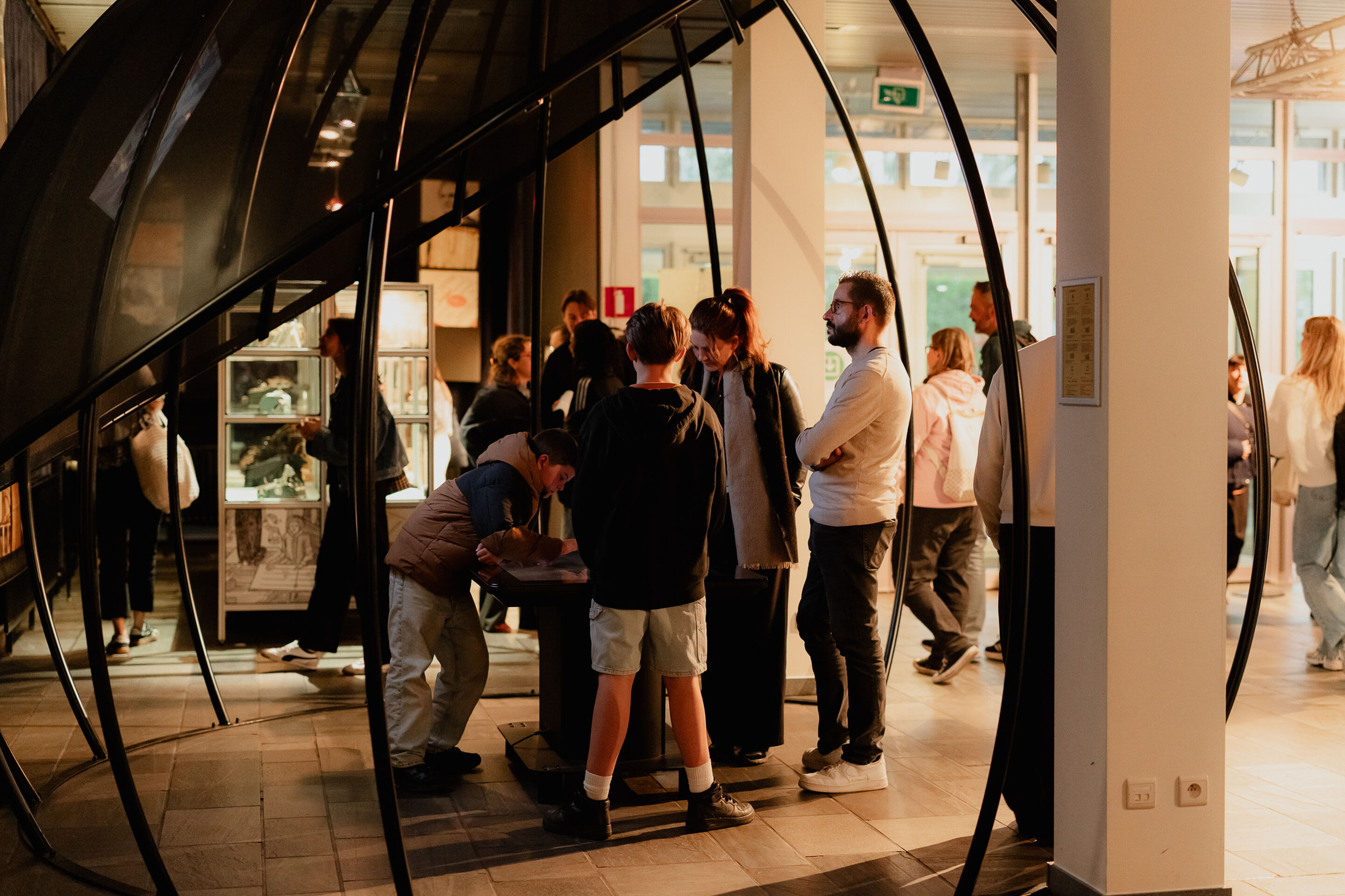

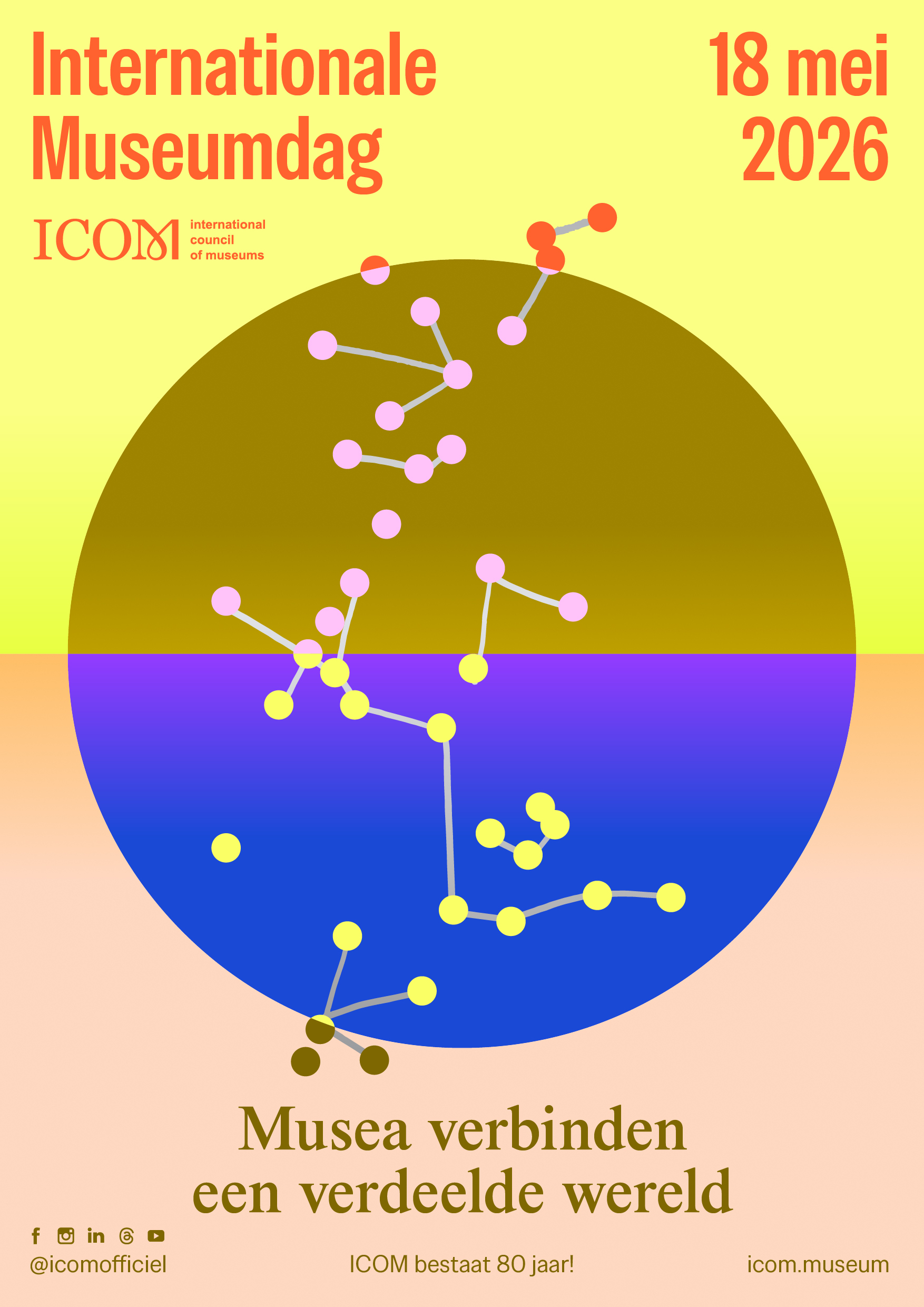
On Monday 18th of May 2026, we are celebrating the International Museum Day and to mark this important occasion, we would like to highlight how you, as an individual visitor, can celebrate this special day. Additionally, we also want to take this moment to reflect on the evolution of museums, in Brussels, in Belgium and beyond and to dream out loud about our strong ideals in what museums can mean in our ever evolving society.
All too often, museums are mostly and merely considered to be a plce for preserving the past. While it is one of the core functions, museums also play a larger role in the development in our contemporary societies. As the International Council of Museums (ICOM) state, the official definition of museum being as of 2022:
“A museum is a not-for-profit, permanent institution in the service of society that researches, collects, conserves, interprets and exhibits tangible and intangible heritage. Open to the public, accessible and inclusive, museums foster diversity and sustainability. They operate and communicate ethically, professionally and with the participation of communities, offering varied experiences for education, enjoyment, reflection and knowledge sharing.”
As a federation, Brussels Museums have witnessed many changes and shifts of the museum landscape of Brussels for the last 30 years and we consistenly put effort into mediating the museums to have improved practices and to connect to broader audiences through collective and durable effort. The Brussels-Capital Region is certainly the richest domain when it comes to culture and museums as its beating heart — with over 120 registered members, our federation grows consistently. And over the years, as much as we see growth in our network, we also witnessed closure of numbers of museums and other cultural institutions, or decline of funding or their editorial independence being threatened which has now become an important topic more than ever as shifts in political climate and polarisation of the world impact how museums function and their meaning in our present day society. With that being said, we would like to raise the question, “Can museums be considered a foundational pillar of a society that upholds both solidarity and individual freedom?”.
Culture as a central pillar of equality and social solidarity
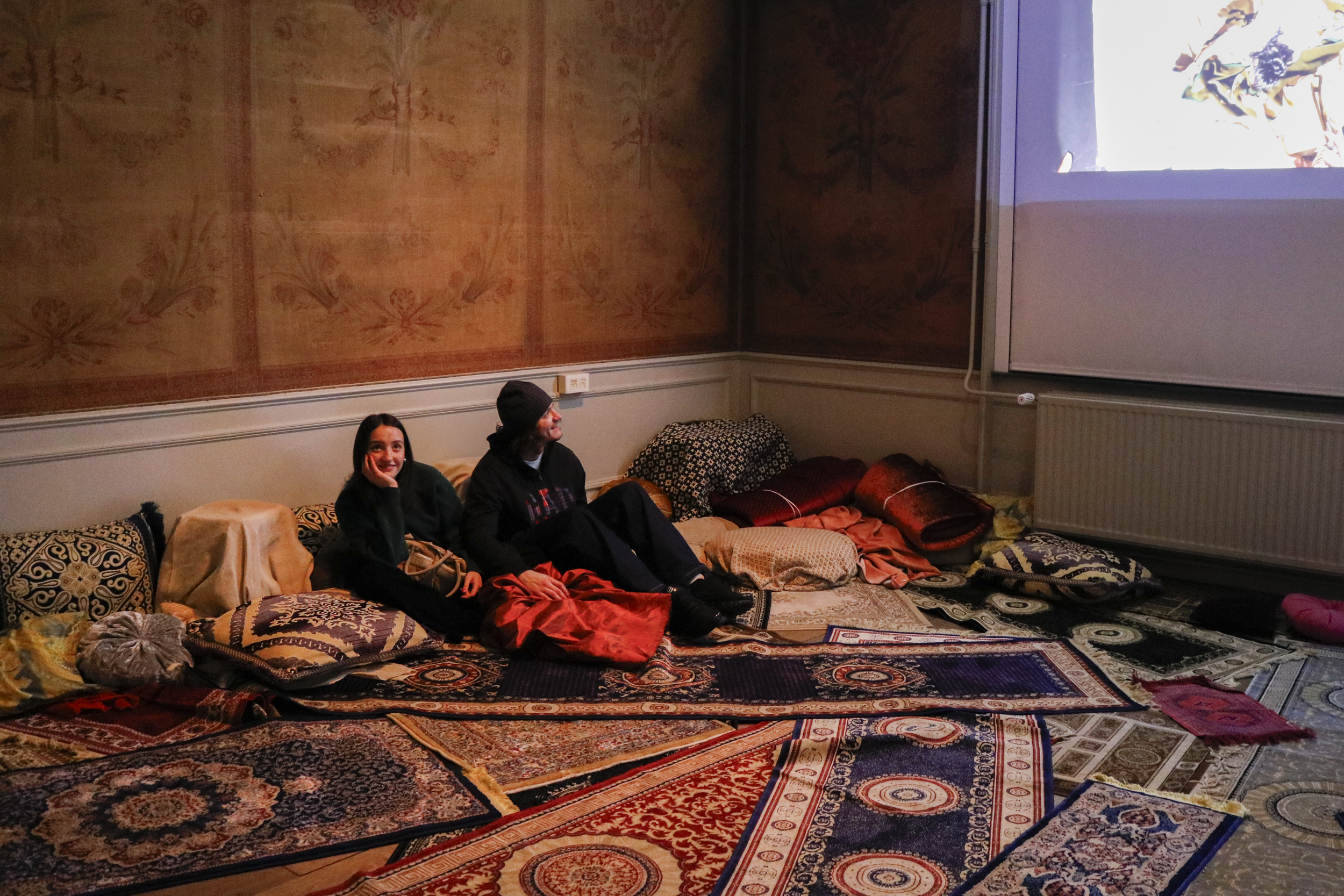
Museums form a space for knowledge-sharing and to open a dialogue for everyone. They invite people to access knowledge, artworks, research and even nuanced historical writings that enrich our understanding of the world. Further, they offer spaces for encounter, understanding and reflection that strengthen social bonds and individual empowerment.
By making culture accessible to as many people as possible, they also help to reduce educational inequalities. This accessibility fosters social solidarity: everyone can learn to understand one another, take ownership of a shared heritage, and find their place within it. And this being the case regardless of one’s gender, skin colour, ethnicity, disability, sexual orientation, religion, socio-economic status, level of education or age.
Museums encourage critical thinking
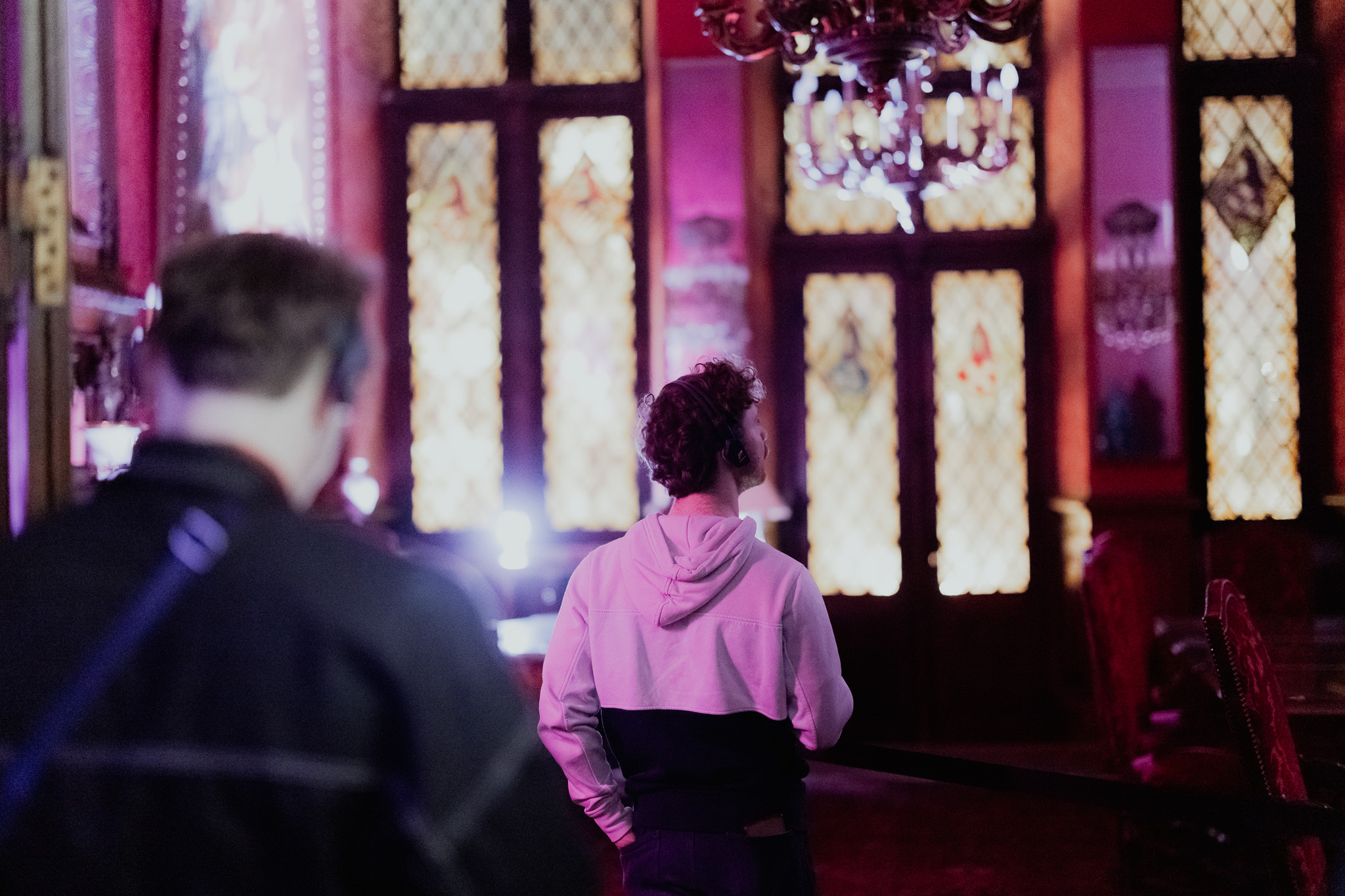
In addition, museums encourage individual freedom and stimulate critical thinking. They offer a wide range of open-minded, and sometimes even contradictory interpretations of history, art or science. In doing so, they invite visitors to question, interpret and debate. They thus play an active role in shaping free people’s capabilities of independent thinking and informed decision-making. This role is, now even more necessary in era where information transmission is becoming increasingly digital, fast paced, largely influenced by algorithms and digital spaces containing a growing proportion of AI generated content or ‘deepfakes’.
Curatorial and editorial independence = a fundamental
However, this societal role can only be fulfilled if museums have true curatorial and editorial independence. In accordance to ICOM’s statement on “The Independence of museums” (27 March 2018), “Regardless of their funding source or governance model, museums should maintain control of the content and integrity of their programs, exhibitions and activities. Income generating activities should not compromise the standards of the institution or its public (Principle 1.10 of the ICOM Code of Ethics). The high level of professional and institutional integrity and autonomy of museums should not be jeopardised by financial or political interests.”. In brief, if a museum cannot freely choose its exhibitions, themes or analytical perspectives, it ceases to be a place of freedom.
It was with this in mind, that during the Brussels Museums 2026 General Assembly, our members unanimously voted to amend our constitution so that editorial independence is now a precondition for joining our federation. Our museums do not want their content to be dictated to them, as this would risk undermining their social missions.
In conclusion, the answer to the question ‘Are museums one of the foundations of a society based on solidarity in which individuals are free?’ is therefore yes, provided that their editorial independence is fully guaranteed.
And what can you do about all this?
There are a thousand and one ways to support museums and their societal role, and they are all worthwhile. Support your local museums in Brussels by staying connected with them through your preferred communication channels, enter in dialogues with them, visit or re-visit the museums, offer volunteering works or make a donation.
Belgian Museum Week & International Museum Day
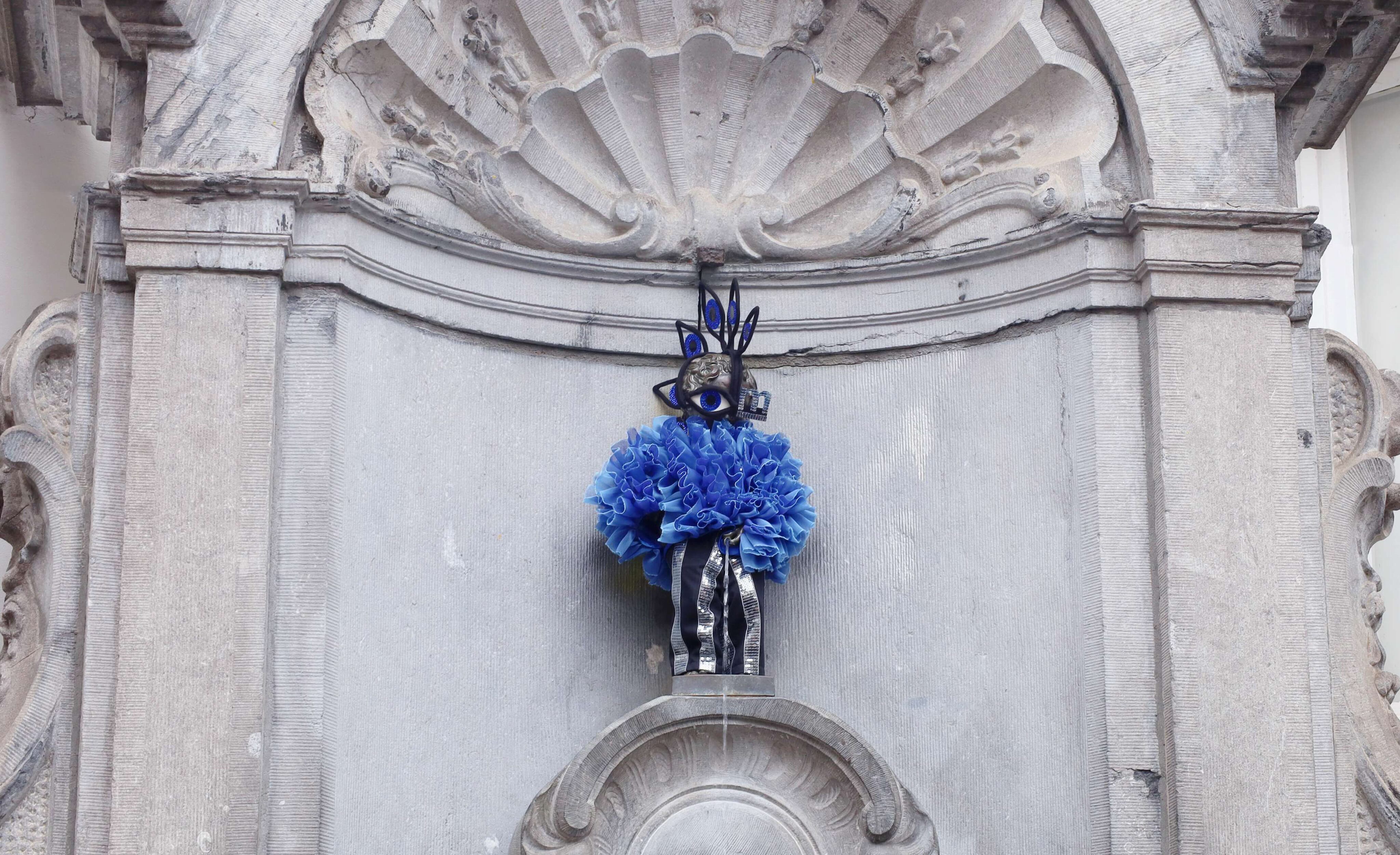
On Monday 18 May, the iconic ketje Manneken-Pis will be wearing his ‘Brussels Museums’ costume, which was gifted to him during the Brussels Museums’ 30 Year Anniversary in September 2025. So, don’t miss it!
Besides the International Museum Day organised by ICOM under the theme “Museums uniting a divided world”, our partner museumPASSmusees is organising ‘Week of Belgian Museums’ between 17-24 May 2026. Enjoy guided tours, Nocturnes, workshops and concerts at the museums. Discover the full agenda here (in Dutch and French only).
We wish you a wonderful International Museum Day!
The Brussels Museums team